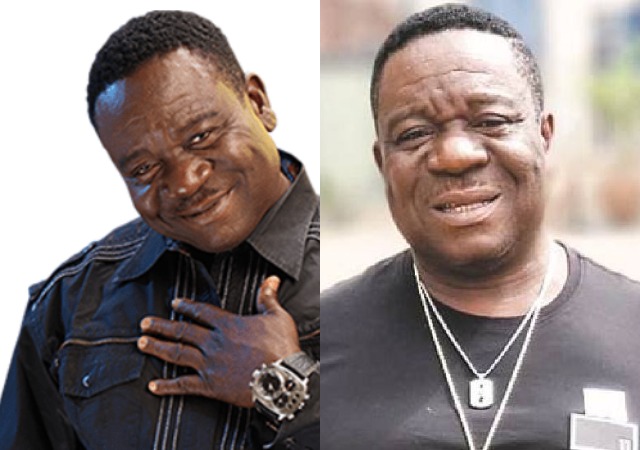
John Ikechukwu Okafor, popularly known as Mr Ibu, was one of Nigeria’s most recognizable comic actors. He became famous for his expressive face, unusual dance moves, playful personality, and ability to turn ordinary situations into memorable comedy. Through his performances in Nollywood films, he entertained audiences in Nigeria and across Africa for decades.
Mr Ibu built a reputation as a gifted entertainer who could make viewers laugh with his facial expressions, body language, comic timing, and distinctive delivery of dialogue. His popularity extended beyond the cinema, making him a familiar face in television appearances, comedy clips, and online entertainment.
Although he passed away in 2024, his performances remain an important part of Nigerian comedy and popular film culture. His life story reflects years of hard work, professional challenges, personal struggles, and a lasting contribution to the entertainment industry.
John Ikechukwu Okafor Biography at a Glance
| Personal Information | Details |
|---|---|
| Full name | John Ikechukwu Okafor |
| Popular name | Mr Ibu |
| Date of birth | October 17, 1961 |
| Place of birth | Nkanu, Enugu State, Nigeria |
| Nationality | Nigerian |
| Profession | Actor and comedian |
| Industry | Nollywood |
| Years active | 1990s to 2020s |
| Famous for | Comedy films and distinctive comic performances |
| Date of death | March 2, 2024 |
| Age at death | 62 years |
| Place of burial | Amuri, Nkanu West, Enugu State, Nigeria |
Early Life and Family Background
John Ikechukwu Okafor was born on October 17, 1961, in Nkanu, in what is now Enugu State, southeastern Nigeria. He grew up in a Nigerian family and experienced some of the difficulties that shaped his early life before he eventually became a successful entertainer.
Following the death of his father in 1974, Okafor moved to Sapele, Delta State, where he stayed with his brother. He took on different jobs to support himself and his family, gaining experience outside the entertainment industry before pursuing a career in acting.
His early experiences helped develop the resilience he would later need in the competitive Nigerian film industry. Although he eventually became known for making people laugh, his journey to fame was not immediate or effortless.
Mr Ibu’s background also connected him to the culture and traditions of southeastern Nigeria. His ability to perform characters that audiences could easily recognize contributed to his popularity, particularly among viewers who enjoyed everyday Nigerian humour.
Education and Early Career Interests
Okafor pursued his education despite facing financial and personal challenges. He attended schools in Delta State and later enrolled at the Institute of Management and Technology in Enugu, where he studied Mass Communication.
His educational journey was not entirely straightforward. Financial difficulties reportedly forced him to interrupt his studies before he later returned to complete his education.
Before becoming widely recognized as an actor, Okafor worked in different fields, including photography and other commercial activities. These experiences exposed him to different people and situations, which later became useful in his entertainment career.
His interest in performance eventually led him toward acting. He began working in the Nigerian film industry during a period when Nollywood was expanding rapidly and creating opportunities for performers with distinctive personalities.
How Mr Ibu Started His Acting Career
Mr Ibu gradually established himself in Nollywood through supporting roles and comedic performances. His rise coincided with the growth of Nigerian home-video productions, which brought films to audiences across the country and throughout Africa.
Unlike actors who became famous primarily for romantic or dramatic roles, Okafor developed a reputation for physical comedy. He used exaggerated movements, unexpected reactions, humorous misunderstandings, and expressive facial gestures to create characters that audiences remembered.
His performances often placed him in situations where an ordinary problem became an exaggerated comic disaster. Whether he played a confused character, a mischievous companion, or someone attempting to appear more intelligent than he was, he knew how to create humour from the situation.
As his popularity increased, filmmakers began casting him in roles that took advantage of his comic personality. His name eventually became closely associated with comedy in Nollywood.
Movies That Made Mr Ibu Famous
His filmography includes many comedy productions. The titles below are among the films associated with his career.
Mr. Ibu
The film Mr. Ibu helped establish the screen identity that became closely associated with John Okafor. The character’s amusing behaviour, exaggerated reactions, and ability to create confusion made the performance memorable.
The success of the character also helped audiences connect the actor’s popular nickname with his on-screen personality.
Mr. Ibu 2
The follow-up production continued the appeal of the original comedy. It allowed audiences to enjoy more of the character’s humorous adventures and reinforced the popularity of the Mr Ibu identity.
Police Recruit
Police Recruit is among the productions associated with Okafor’s comedic film career. His style of acting suited stories involving misunderstandings, unusual behaviour, and characters struggling to navigate unfamiliar situations.
Issakaba
The Issakaba film series became well known in Nigerian popular cinema. Although it is remembered primarily for its action and crime-related themes, it also reflects the variety of roles and productions that formed part of the wider Nollywood environment in which Okafor worked.
A Fool at 40
The title A Fool at 40 reflects the kind of humorous storytelling that audiences associated with Nigerian comedy films of the period. Okafor’s screen persona made him a natural fit for productions built around exaggerated human behaviour and comic situations.
Mr. Ibu in London
International settings provided Nigerian comedy filmmakers with opportunities to place familiar characters in unfamiliar environments. Mr. Ibu in London is associated with that style of storytelling, using cultural encounters and everyday confusion as sources of humour.
Ibu in Prison
Ibu in Prison draws on the comedic possibilities of placing a familiar character in a restrictive and unusual environment. Situations involving authority, misunderstandings, and attempts to escape trouble were well suited to Okafor’s distinctive performance style.
9 Wives
9 Wives is another title associated with the actor’s screen career. It reflects the relationship-based and situational comedy that formed an important part of Nollywood entertainment.
Desperate Search
Desperate Search is among the titles linked to Okafor’s filmography, demonstrating his involvement in the broad range of productions that characterized his years in Nigerian cinema.
Open and Close
Open and Close is associated with his work in comedy and popular Nigerian entertainment. Productions of this kind helped maintain his presence in a film industry that continually introduced new stories and performers.
London Fever
London Fever is another film title connected with his acting career. It fits within the wider tradition of Nigerian films that use travel, cultural encounters, and personal misunderstandings to develop their stories.
Prince of Deceit
Okafor also appeared in productions outside the most familiar Mr Ibu character format. His career included a variety of roles, although comedy remained the element most closely associated with his public image.
The Eve
The Eve is among the productions connected with his later film career. His continued involvement in entertainment demonstrated his long-standing place in Nollywood.
His filmography extended beyond these titles. Over the years, he appeared in numerous Nigerian productions, working with different actors, directors, and producers. His best-known performances, however, remained those that allowed him to showcase his natural gift for comedy.
What Made Mr Ibu’s Comedy Different?
Mr Ibu’s appeal came from a combination of physical expression, timing, voice, and character development. He did not always need a complicated script or an elaborate joke to entertain an audience. Sometimes, a facial expression or an unexpected movement was enough to make a scene funny.
His style relied heavily on physical comedy. He often exaggerated ordinary actions, turning simple conversations and everyday challenges into entertaining moments.
Another defining feature was his ability to portray characters who appeared confused, overconfident, stubborn, or unaware of the consequences of their actions. These personalities created opportunities for humorous misunderstandings.
His performances also reflected familiar social situations. Audiences could recognize elements of family life, friendships, workplace relationships, and everyday Nigerian experiences in many of his characters.
Furthermore, Mr Ibu developed a recognizable screen identity. Viewers often knew what kind of humour to expect when he appeared, yet his expressions and reactions still gave individual scenes their own personality.
His popularity was not limited to Nigerian audiences. Nollywood films circulated across Africa and among international audiences interested in Nigerian entertainment. As a result, his comic performances helped make him a familiar figure beyond his home country.
Awards and Achievements
John Okafor’s greatest achievement was the lasting recognition he earned as a Nigerian comic actor. His name became synonymous with a particular style of Nollywood comedy, and his performances entertained generations of film viewers.
His career also demonstrated the importance of character actors in the film industry. While some performers build their reputations around dramatic lead roles, Okafor showed how a distinctive comic personality could become the main attraction of a production.
He worked across numerous films during his career and became a recognizable face in Nigerian entertainment. His popularity extended into television appearances, public events, interviews, and online videos featuring scenes from his films.
Although award records and nominations should be verified individually before being presented as confirmed achievements, his influence on Nigerian popular comedy is evident from his enduring recognition among audiences.
Mr Ibu’s Music Career
Acting remained the central part of Mr Ibu’s career, but he also explored music and entertainment beyond traditional film roles.
He released comedy-oriented songs that drew on his public personality and the popularity he had established through Nollywood. His musical appearances reflected the broader trend of Nigerian entertainers exploring different forms of media to connect with their audiences.
Two songs associated with his music ventures are This Girl and Do You Know. These releases helped introduce another side of his entertainment career to fans who primarily knew him as an actor.
His music did not replace his work in film. Instead, it expanded the ways in which audiences could engage with his personality and public image.
Mr Ibu’s Wife and Children
Mr Ibu’s family life attracted public interest throughout his career. As his fame grew, audiences became curious about his marriage, children, and experiences away from the screen.
Okafor was married and had children. However, public accounts of his family life have sometimes differed, so specific details about the number of children and other family arrangements should be treated carefully unless supported by a reliable statement from the family.
Like many public figures, he experienced personal challenges alongside his professional achievements. Some aspects of his family life became subjects of public discussion, particularly during the difficult period surrounding his illness.
Despite these challenges, his family remained an important part of his life, especially during his final years.
Mr Ibu’s Illness and Final Years
In the later years of his life, Mr Ibu experienced serious health problems that affected his ability to work and appear publicly.
In 2023, news of his illness prompted widespread concern among fans and colleagues. Appeals for financial assistance circulated publicly as his family sought support for his medical treatment.
His condition became a major topic of discussion within Nigeria’s entertainment community. Actors, fans, and members of the public expressed concern and offered support during the period of uncertainty surrounding his health.
Okafor eventually underwent medical treatment that included the amputation of one of his legs. The procedure marked a difficult chapter in his life and highlighted the severity of the medical challenges he faced.
His illness also drew attention to the financial pressures that can affect entertainers when serious health problems interrupt their ability to work. Public discussions about his treatment raised questions about medical expenses, family responsibilities, and the support systems available to people in the entertainment industry.
Despite these difficulties, Mr Ibu remained a beloved figure to many Nigerians. His health struggles did not erase the memories audiences had of his films or the laughter his performances had provided over the years.
When Did Mr Ibu Die?
John Ikechukwu Okafor died on March 2, 2024, at the age of 62.
His death was a major loss for Nollywood and the Nigerian entertainment industry. News of his passing prompted tributes from fans, fellow actors, public figures, and people who had followed his career for many years.
Reports surrounding his death referred to cardiac complications following his ongoing health challenges. His medical history was complex, and the public should distinguish reported circumstances from any more detailed medical conclusions that have not been formally established.
For many viewers, the news was difficult to accept because Mr Ibu had been a familiar presence in Nigerian films for decades. His comic characters had become part of the shared entertainment experiences of many households.
Following his death, tributes highlighted his contribution to comedy, his distinctive personality, and his ability to connect with audiences through humour.
Mr Ibu’s Burial and Funeral
Mr Ibu was laid to rest on June 28, 2024, in his hometown of Amuri, Nkanu West Local Government Area, Enugu State.
His burial brought together relatives, friends, members of the entertainment industry, and other mourners who gathered to pay their final respects.
The funeral marked the end of a life that had influenced Nigerian comedy and popular film culture. It also gave admirers an opportunity to reflect on his journey from his early life in southeastern Nigeria to national recognition as one of Nollywood’s familiar comic actors.
Although he was no longer alive, the continued circulation of his film scenes and memorable performances helped keep his work in public view.
Mr Ibu’s Legacy in Nollywood
Mr Ibu left behind a recognizable legacy in Nigerian entertainment. His contribution was not simply the number of films in which he appeared but the distinctive style he brought to comedy.
His performances demonstrated how humour could emerge from body language, facial expressions, timing, and a strong understanding of character. He developed a screen identity that audiences could recognize almost immediately.
He also became part of the generation of Nollywood actors who helped make Nigerian home-video films popular across Africa. These productions brought local stories, characters, and humour to audiences in different countries.
For younger entertainers, his career offers an example of how a performer can build a lasting reputation by developing a distinctive style rather than imitating others. His ability to make a character memorable helped him remain relevant throughout a changing entertainment landscape.
His influence can also be seen in the continued popularity of classic Nollywood comedy clips on digital platforms. New audiences continue to encounter his performances, even if they did not watch his films when they were first released.
Ultimately, John Ikechukwu Okafor will be remembered as more than the man behind the name Mr Ibu. He was an entertainer whose work brought laughter to millions and secured him a lasting place in the history of Nigerian comedy.
Frequently Asked Questions About John Ikechukwu Okafor
What was Mr Ibu’s real name?
Mr Ibu’s real name was John Ikechukwu Okafor. He became widely known by the nickname Mr Ibu because of the popularity of his comic screen persona.
How old was Mr Ibu when he died?
Mr Ibu was 62 years old when he died on March 2, 2024. He was born on October 17, 1961.
Where was Mr Ibu from?
He was from Nkanu in Enugu State, southeastern Nigeria. He was buried in Amuri, Nkanu West, Enugu State.
What made Mr Ibu famous?
Mr Ibu became famous for his Nollywood comedy performances, expressive facial gestures, physical humour, and memorable characters. His distinctive acting style made him one of Nigeria’s best-known comic actors.
What were some of Mr Ibu’s popular movies?
Films associated with his career include Mr. Ibu, Mr. Ibu 2, Police Recruit, Issakaba, A Fool at 40, Mr. Ibu in London, Ibu in Prison, 9 Wives, Desperate Search, Open and Close, London Fever, Prince of Deceit, and The Eve.
Was Mr Ibu married?
Yes. John Okafor was married and had children. Specific details about his family should be checked against reliable public statements because accounts of his family circumstances have sometimes differed.
What happened to Mr Ibu’s leg?
Mr Ibu experienced serious health problems in the later years of his life and underwent a leg amputation during his medical treatment.
When was Mr Ibu buried?
He was buried on June 28, 2024, in Amuri, Nkanu West Local Government Area, Enugu State, Nigeria.
What was Mr Ibu’s contribution to Nollywood?
He helped popularize a distinctive form of Nigerian screen comedy through his expressive performances and memorable characters. His work entertained audiences across Nigeria and beyond and remains part of Nollywood’s comedy legacy.
Conclusion
John Ikechukwu Okafor, popularly known as Mr Ibu, built a remarkable career through his talent for comedy and his ability to create unforgettable screen characters. From his early struggles to his rise as a household name in Nollywood, his journey reflected determination, creativity, and a lasting connection with audiences.
His death in March 2024 marked the end of his life, but it did not end the affection many people have for his work. Through his films, comic expressions, and memorable performances, Mr Ibu continues to bring laughter to audiences and remains an important figure in Nigerian entertainment.