
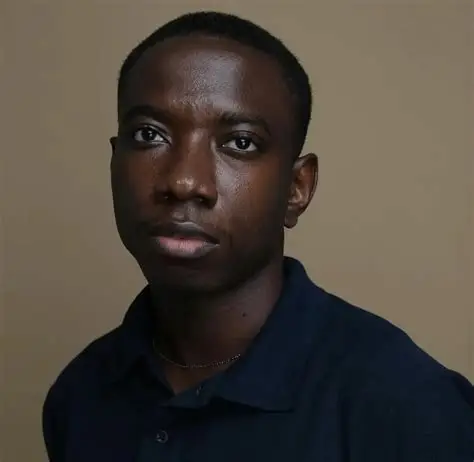
Dika Ofoma is a Nigerian filmmaker, screenwriter, and culture journalist known for thoughtful stories about Nigerian life, family, identity, and social expectations. His short films, including A Quiet Monday, The Way Things Happen, and God’s Wife, have screened at international film festivals. He has built his career through independent filmmaking, developing stories that explore ordinary experiences and the tensions beneath them.
Ofoma has also gained international attention for Kachifo (Till the Morning Comes), his debut feature project. The film received several development awards at the Locarno Film Festival’s Open Doors programme in 2025. His growing profile reflects a commitment to independent cinema and culturally grounded storytelling.
Dika Ofoma’s Early Life and Education
Dika Ofoma grew up in Gombe, northern Nigeria, in an Igbo family. Growing up in a multicultural environment exposed him to different languages, traditions, and perspectives. His interest in stories developed through books, films, and the stories his father shared with him during childhood.
He enjoyed reading literature and watching films from different countries. These experiences shaped his curiosity about characters and the ways stories reflect society. He also wrote plays while he was in school, exploring his interest in creating stories rather than simply watching them.
Ofoma later attended Imo State University, where he studied History and International Studies. Although filmmaking remained his main creative interest, he did not follow a conventional film-school route. He developed his skills through reading screenwriting books, studying online filmmaking tutorials, and learning through practical projects.
How Dika Ofoma Started Making Films
Ofoma began making films around 2020, during his National Youth Service period in Enugu. He had already developed an interest in screenwriting and film criticism, but he wanted to move from discussing films to creating them.
He started with limited resources and collaborated with his friend Ugochukwu Onuoha, a photographer. Their early work relied on their own initiative and the equipment they could access. This experience introduced Ofoma to the practical demands of turning a script into a finished film.
His early projects helped him discover an approach to storytelling that favoured small, intimate moments. Instead of depending on elaborate plots, he often explores the emotional details of everyday life. This approach became a defining characteristic of his short films.
Ofoma also works as a culture journalist and has written about African cinema for international publications. His journalism gives him another way to examine the social and cultural questions that influence his filmmaking. Both roles reflect his interest in understanding the people and communities behind the stories he tells.
A Quiet Monday and the Stories of Southeastern Nigeria
A Quiet Monday, released in 2023, became one of Ofoma’s most recognised short films. The drama follows siblings Kamnonu and Ogbonna in southeastern Nigeria during a period when a compulsory Monday sit-at-home order disrupts daily life. The restrictions create difficulties for the siblings as they try to earn a living and maintain their responsibilities.
The film examines the human consequences of political unrest and insecurity. Rather than treating the situation as an abstract political issue, Ofoma focuses on the people whose work, relationships, and ambitions face disruption. The story gives viewers a personal perspective on events affecting communities in the region.
The film uses English and Igbo, reflecting the language and cultural setting of its characters. Its attention to local detail also demonstrates Ofoma’s interest in telling stories that emerge from specific Nigerian experiences. A Quiet Monday screened at film festivals, including the New York African Film Festival.
Other Dika Ofoma Short Films
Ofoma’s filmography includes several short films that explore different aspects of Nigerian life. The Way Things Happen (2022) and A Japa Tale (2022) formed part of his early work. These projects helped him develop his approach to character, atmosphere, and social observation.
He followed them with Nkemakonam (2023) and God’s Wife (2024). God’s Wife centres on a newly widowed woman who faces pressure to leave her matrimonial home after her husband’s death. The conflict brings religious beliefs, traditional customs, and financial insecurity into tension.
In 2025, Ofoma directed Obi Is a Boy, a short drama about a young man returning home for his mother’s funeral. His return forces him to confront his difficult relationship with his estranged father and the expectations surrounding masculinity and identity. The film received international festival attention, including screenings connected to Rotterdam and Clermont-Ferrand.
His later work includes Something Sweet and A Happy Ending, both released in 2026. These projects continue his interest in relationships, personal choices, and the pressures people face while trying to shape their lives.
Dika Ofoma and Kachifo (Till the Morning Comes)
Kachifo, also known as Till the Morning Comes, marks an important stage in Ofoma’s development as a feature filmmaker. The project follows a reincarnated Igbo couple whose relationship challenges social expectations around love and sexuality. Its story connects pre-colonial Igbo society with contemporary Nigeria.
The film explores how history, tradition, and personal identity can shape intimate relationships. Its subject matter also reflects Ofoma’s interest in stories rooted in Igbo culture while engaging with broader questions about belonging and acceptance.
In 2025, the project received three awards through the Locarno Film Festival’s Open Doors programme. The honours included the Open Doors Grant, the ArteKino International Award, and the Sørfond Award. These awards supported the project’s development and brought international attention to Ofoma’s first feature.
The film also secured a place in La Fabrique Cinéma’s 2026 selection at the Cannes Film Festival’s Marché du Film. The programme supports emerging filmmakers developing feature projects and connects them with international film industry professionals. This recognition expanded the opportunities available to Ofoma as he prepared to move from short films into feature production.
Dika Ofoma’s Filmmaking Style
Ofoma’s films often focus on everyday situations that reveal deeper social tensions. His characters may face family conflict, economic pressure, religious expectations, or questions about identity. He uses these personal experiences to examine wider cultural issues without losing sight of the people at the centre of each story.
His work also gives considerable attention to women and communities whose experiences receive limited attention in mainstream narratives. In A Quiet Monday, he examines how insecurity affects ordinary lives. In God’s Wife, he explores the position of a widow caught between religious belief and customary expectations.
Ofoma’s approach relies on observation, cultural detail, and emotional realism. His stories often develop through small decisions and private struggles rather than spectacular events. This method allows him to explore complex issues through characters and situations that feel grounded in everyday life.
Dika Ofoma’s Contribution to Nigerian Independent Cinema
Ofoma has developed his career largely through independent short filmmaking. His festival screenings have introduced his work to audiences outside Nigeria and created opportunities to develop larger projects. His progress also demonstrates that filmmakers can build international visibility through focused, locally rooted stories.
His work as a culture journalist complements his filmmaking. Writing about cinema gives him space to examine how Nigerian films represent society, while directing allows him to explore those questions creatively. The two roles contribute to a perspective that combines artistic practice with cultural criticism.
The development of Kachifo represents his next major step. Moving into feature filmmaking will give him more room to develop characters, explore historical settings, and examine the cultural questions that interest him. His earlier short films provide a foundation for that transition.
Conclusion
Dika Ofoma has emerged as a Nigerian filmmaker with a distinctive interest in culture, identity, and the details of everyday life. Through films such as A Quiet Monday, God’s Wife, and Obi Is a Boy, he has explored the pressures that shape families and communities.
His recognition at Locarno and selection for La Fabrique Cinéma have brought greater attention to Kachifo (Till the Morning Comes). As he develops his feature filmmaking career, Ofoma continues to build stories that connect Nigerian experiences with wider questions about history, belonging, and human relationships.